Hospitality
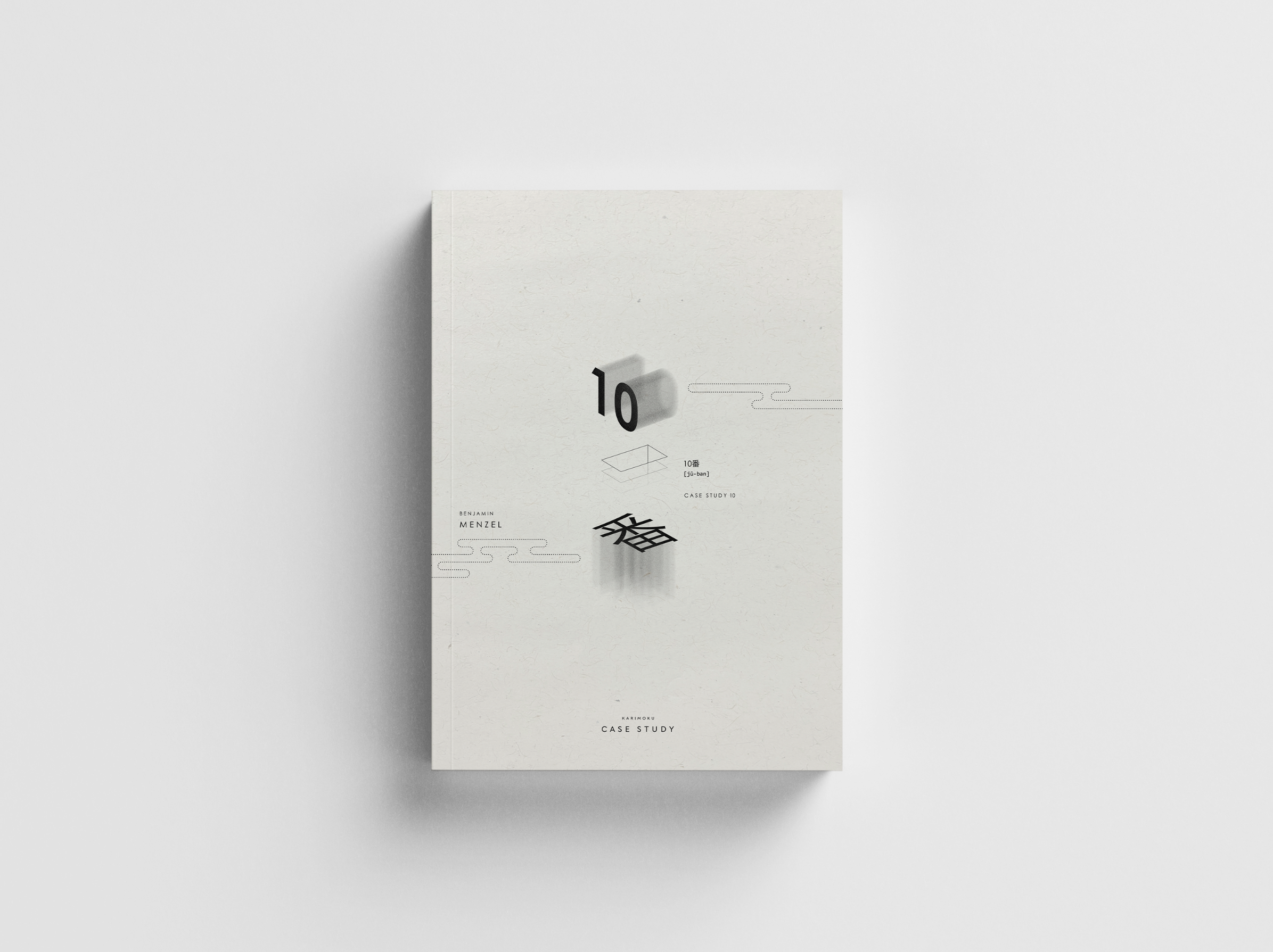
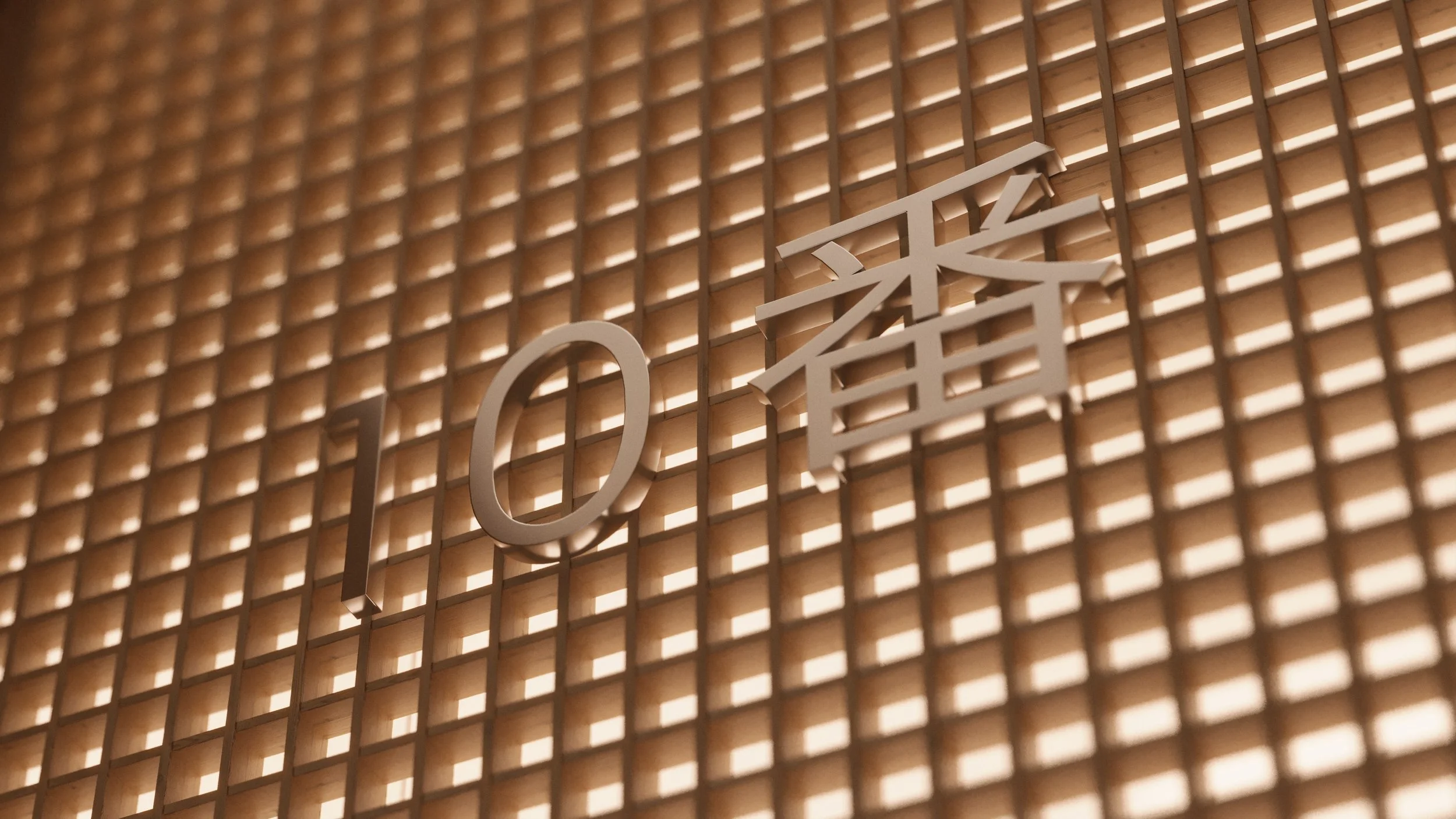
10 番 [jū-ban]
Karimoku Case
2024
Benjamin Menzel
A hospitality concept that translates Japanese design heritage into a contemporary hotel experience. Developed for Karimoku Case.

02
project name
brand
year
designer
abstract
10 番 [jū-ban]
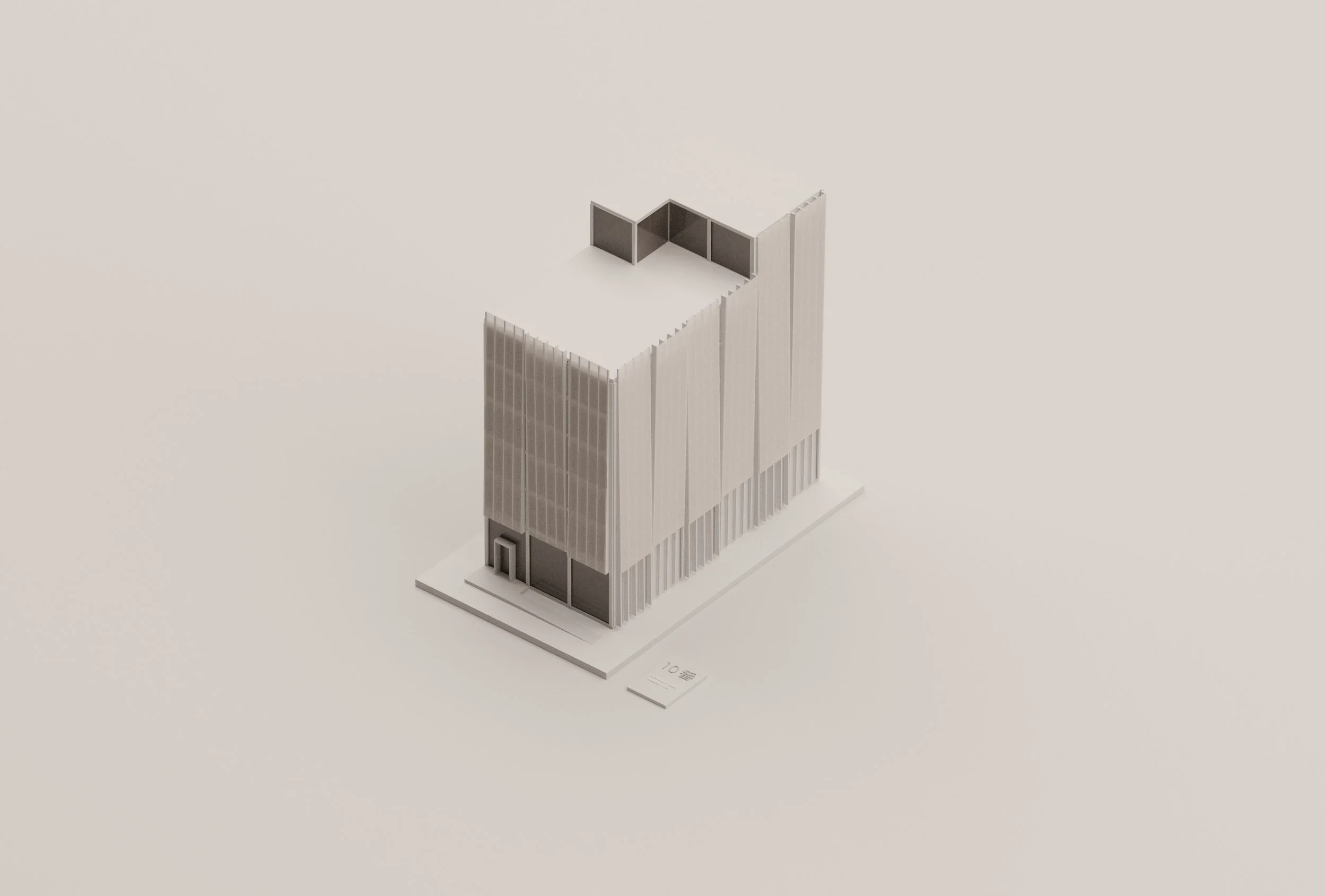
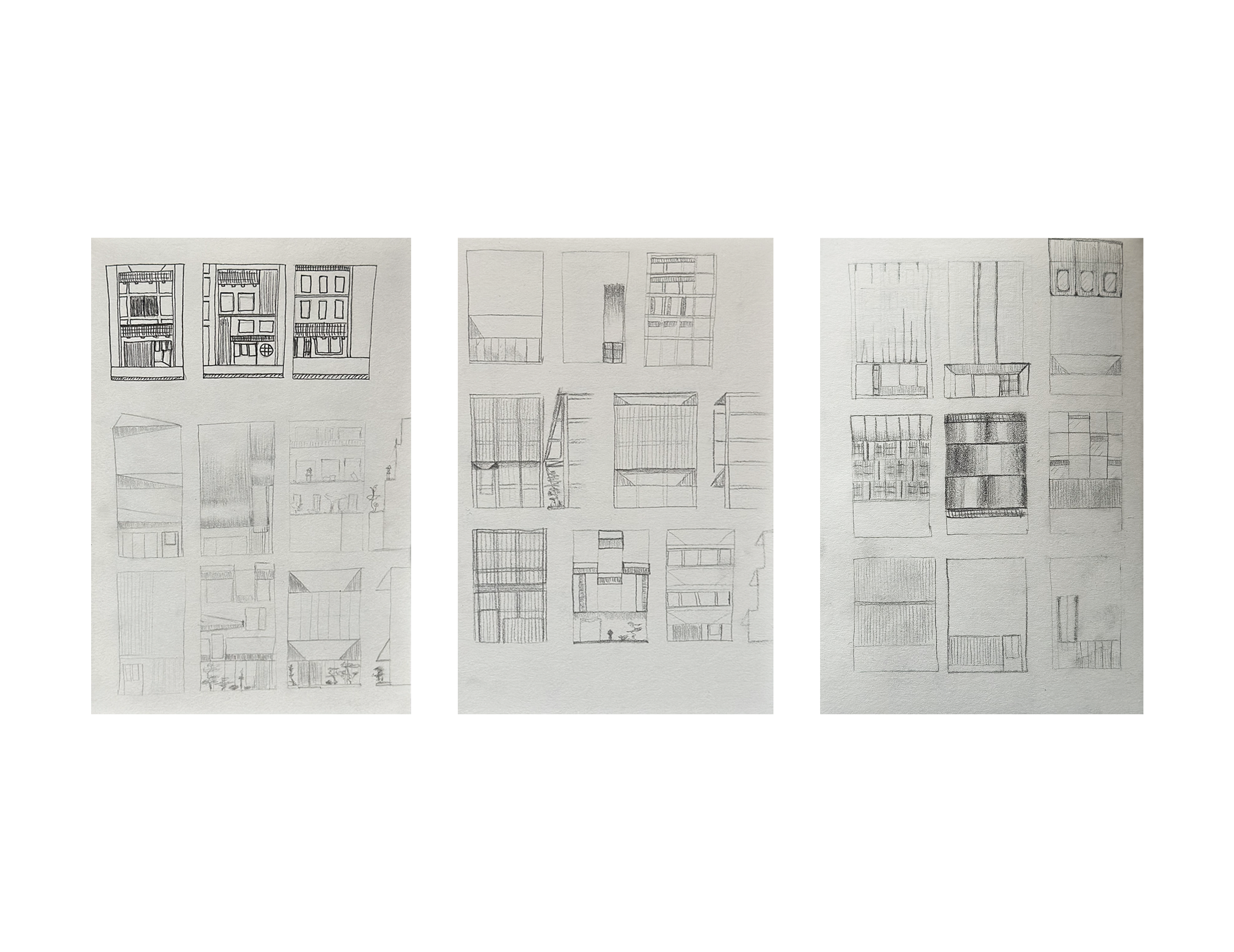
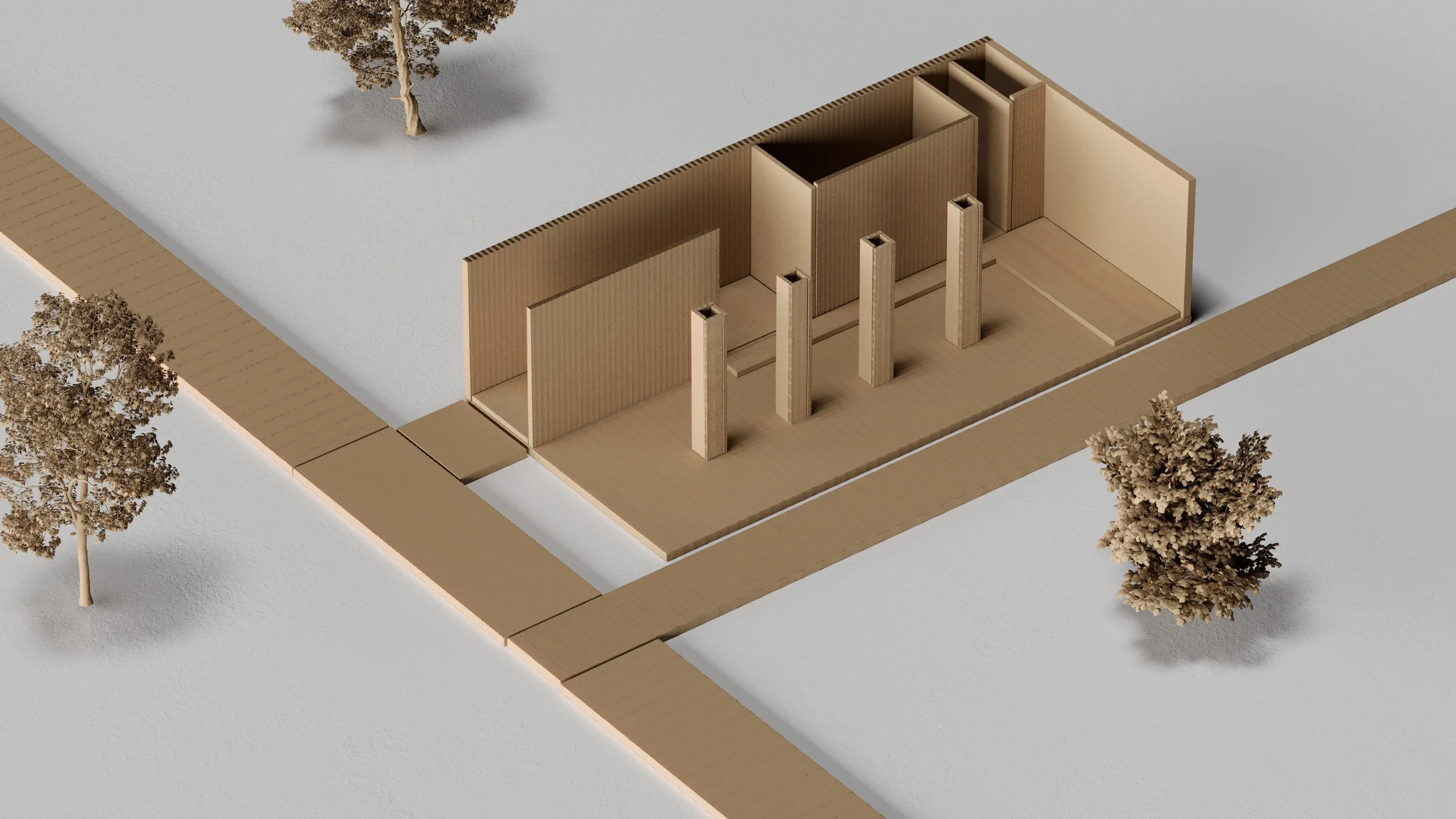
The 10番 Hotel concept is inspired by traditional Japanese architecture, materials, and craftsmanship. Following Karimoku Case’s principle of introducing new furniture pieces for new projects, as a kind of case study, this hotel represents the tenth case, hence the name Jū-ban. The design features minimal yet highly detailed spaces that reinterpret historical elements in a contemporary way. A highlight of the hotel lobby is the Tsuboniwaa courtyard composed of carpet fabric that subtly evokes the essence of Japanese nature within the interior. The project encompassed the design of selected hotel areas, an architectural model, a luminaire, and a design magazine serving as a conceptual guideline.
00 scope of work
01 [design concept] 02 [spatial design] 03 [architectural model] 04 [editorial design] 05 [hospitality design] 06 [exterior design] 07 [interior design] 08 [3D design] 09 [graphic design] 10 [product design]
01 Entrance
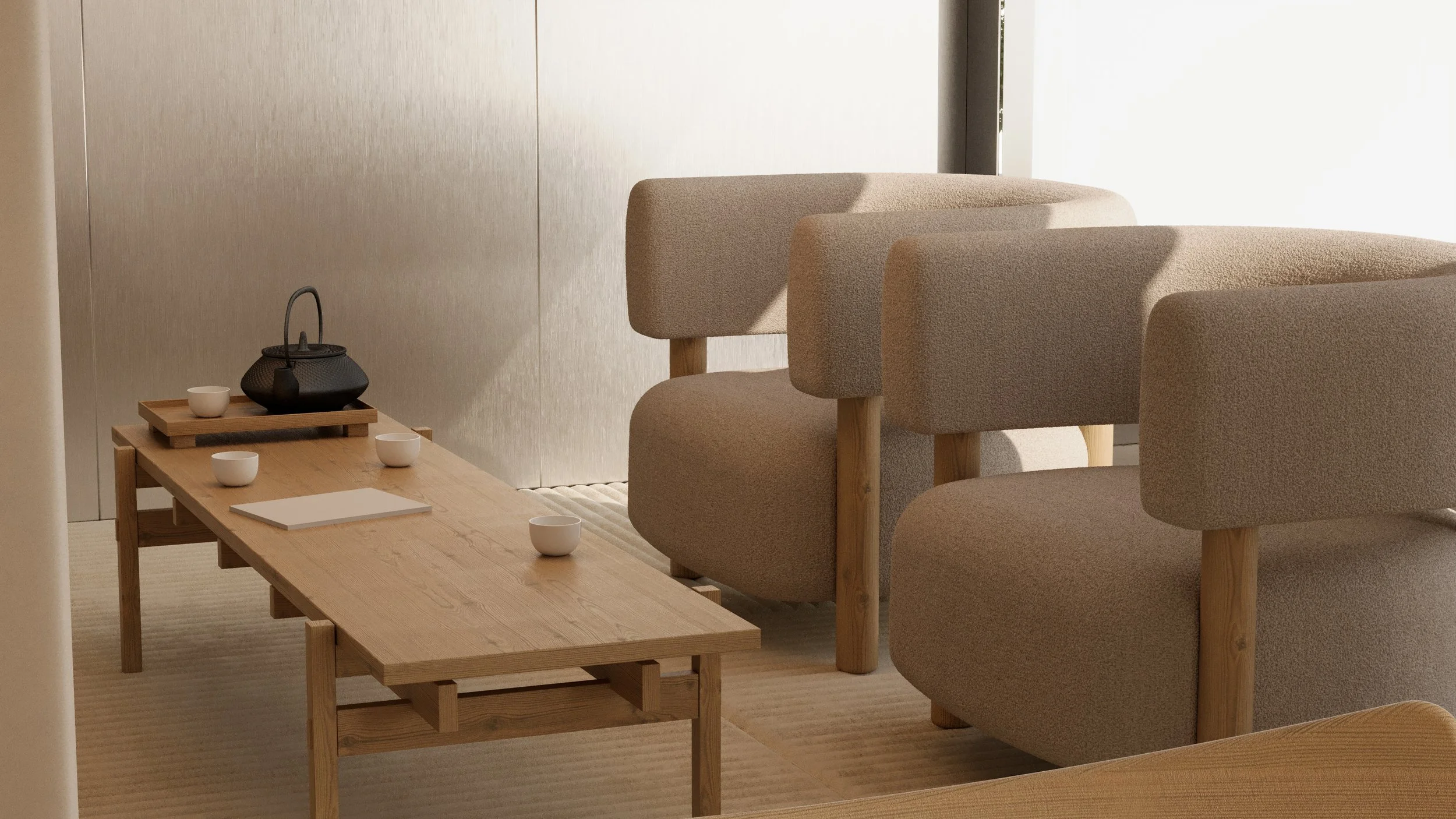
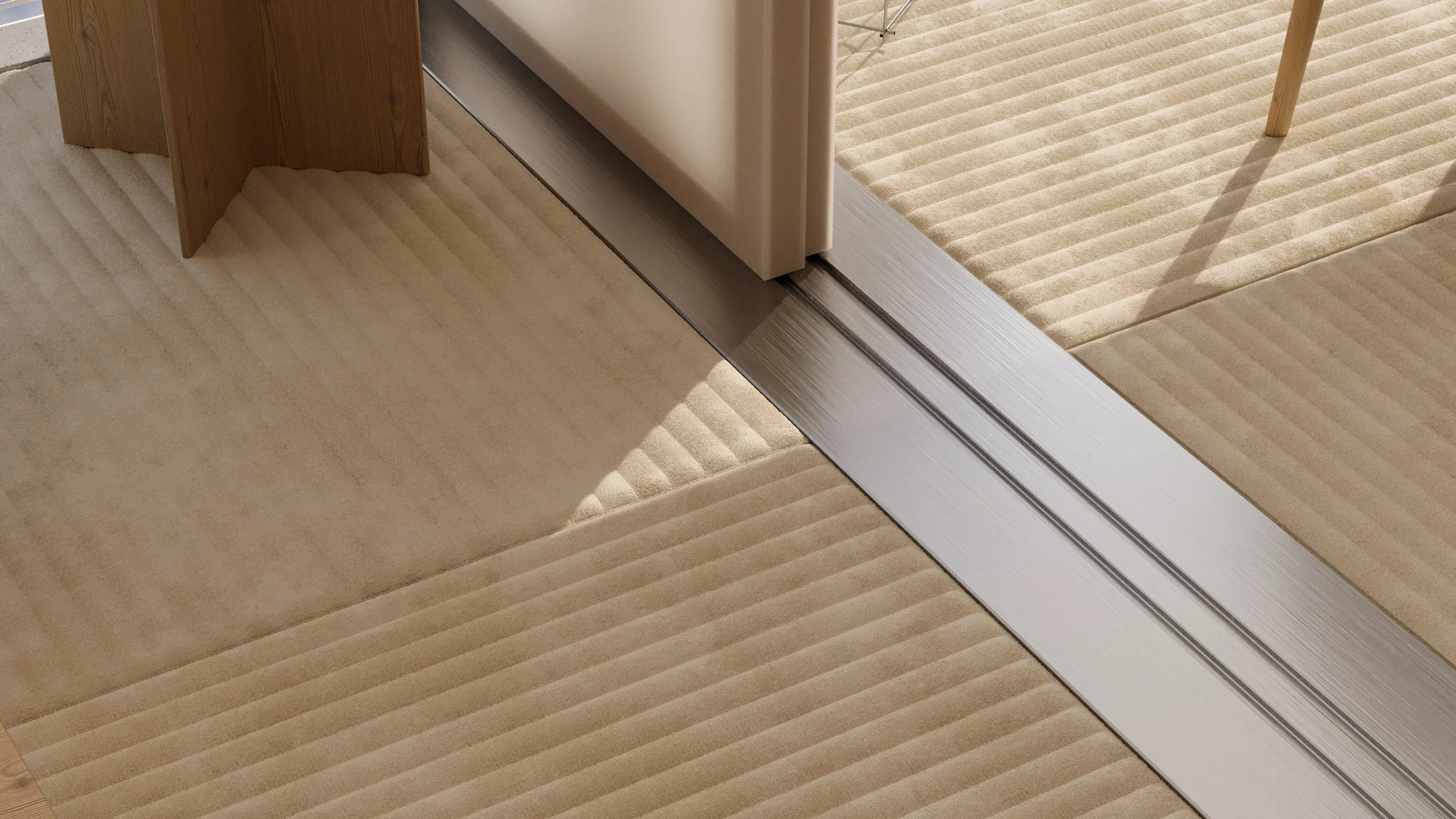
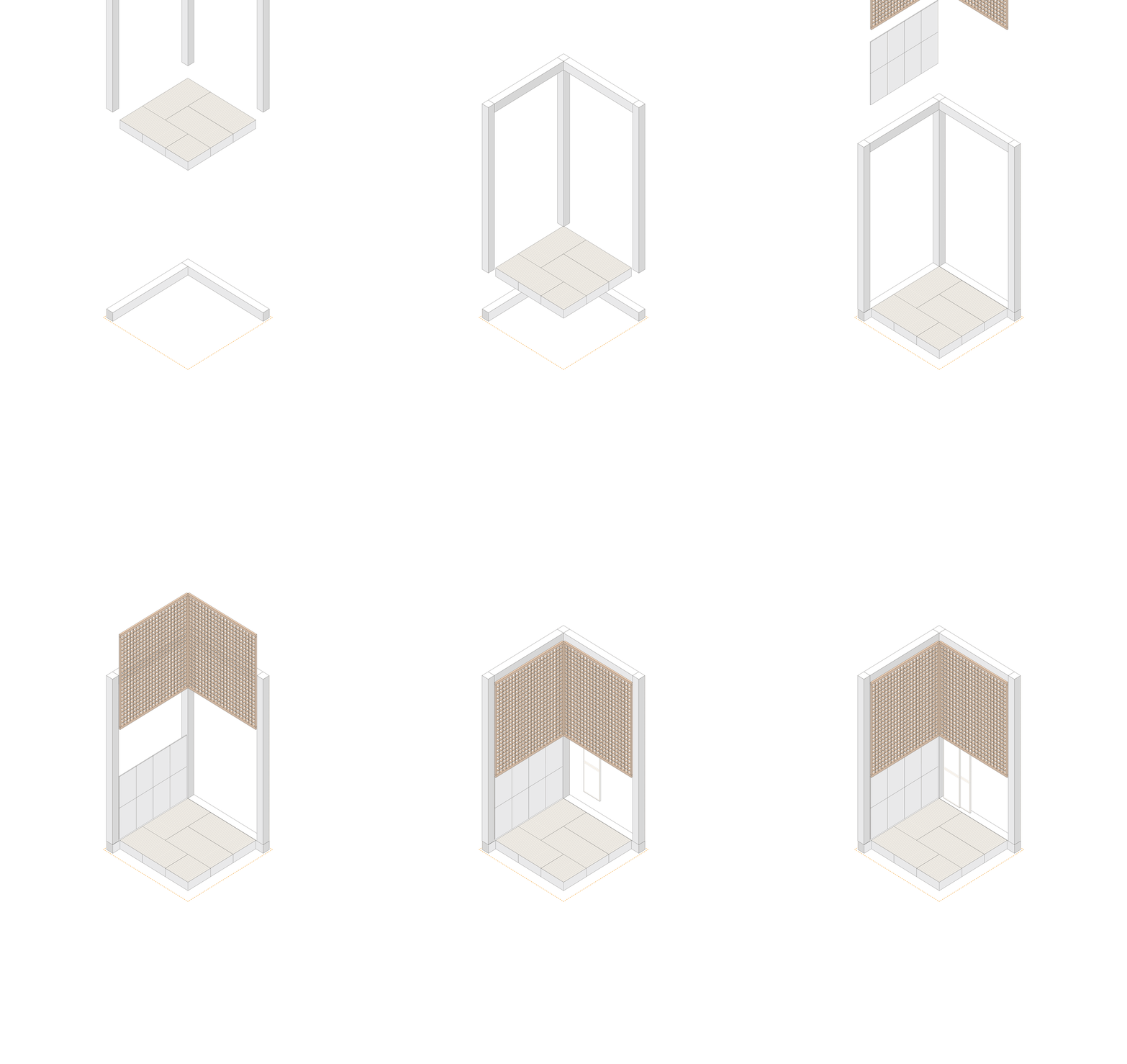
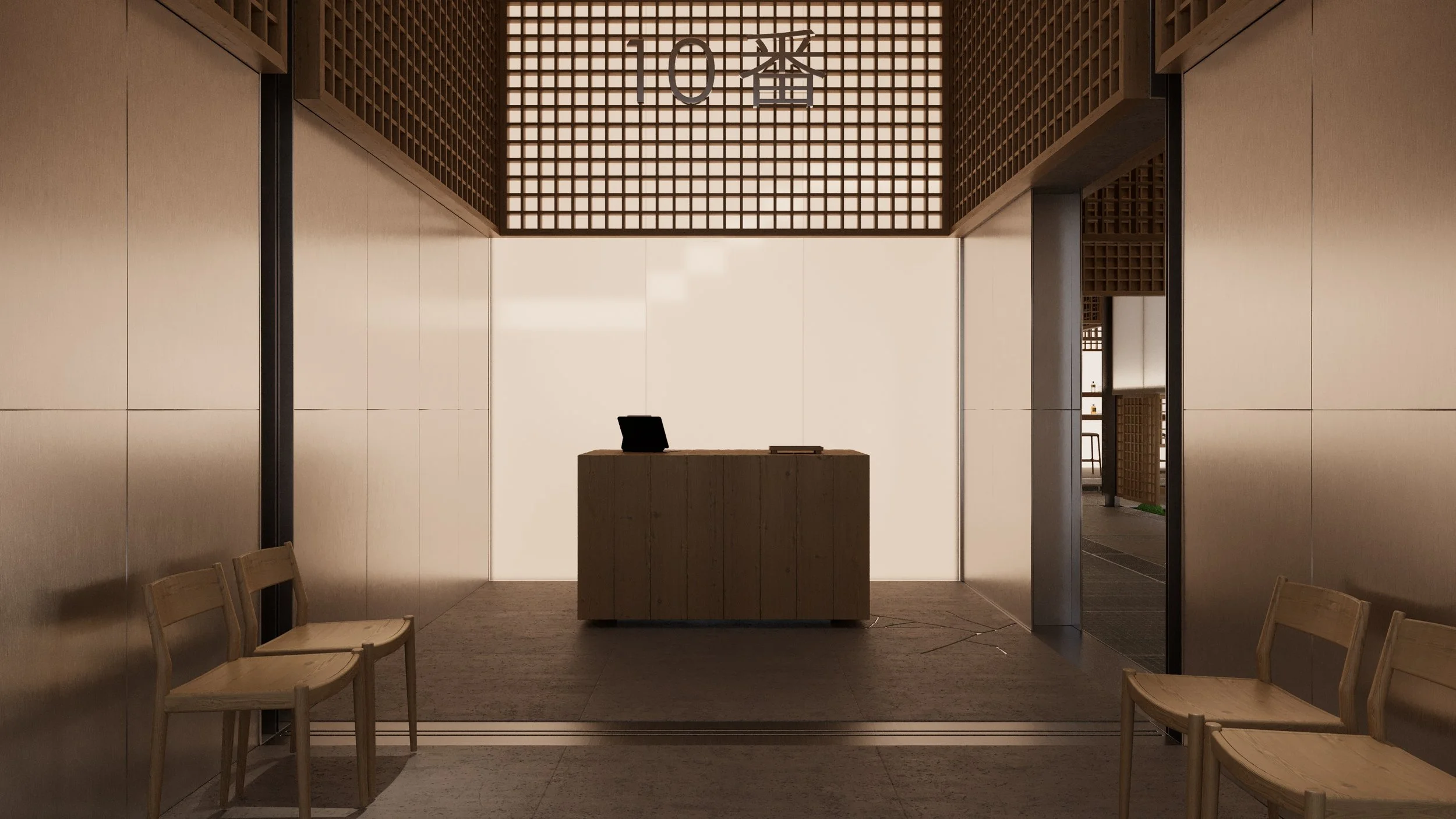
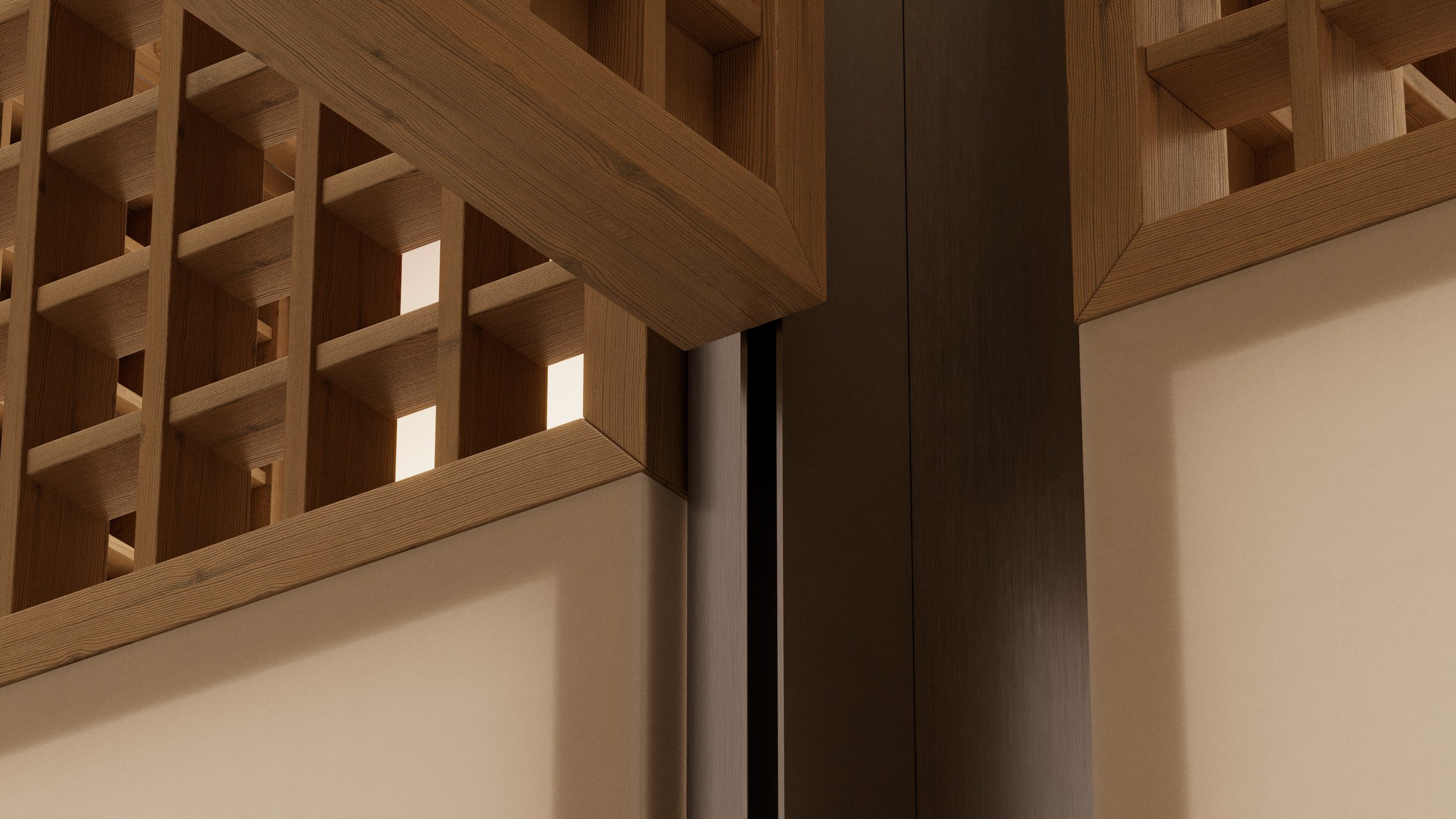
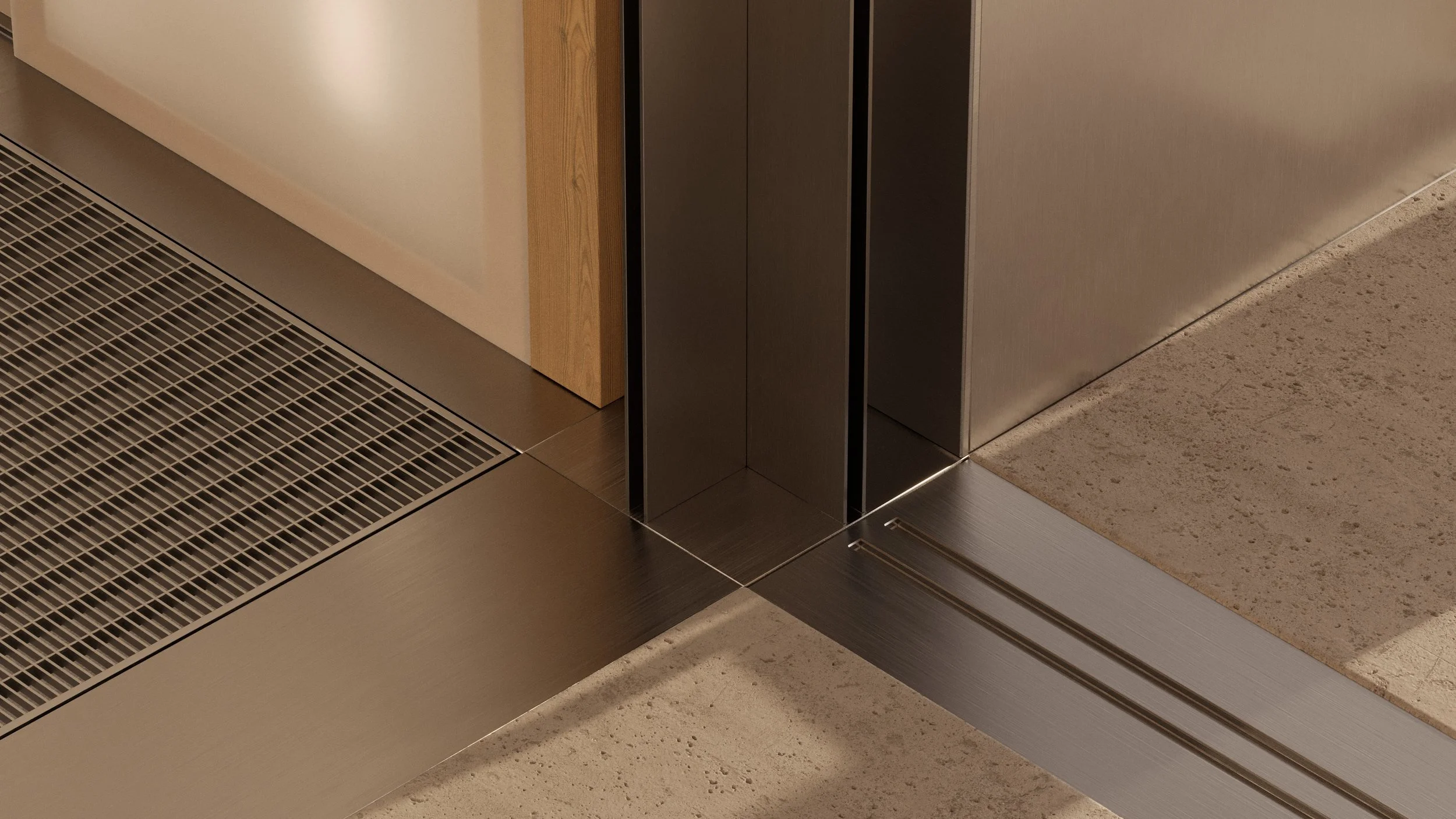
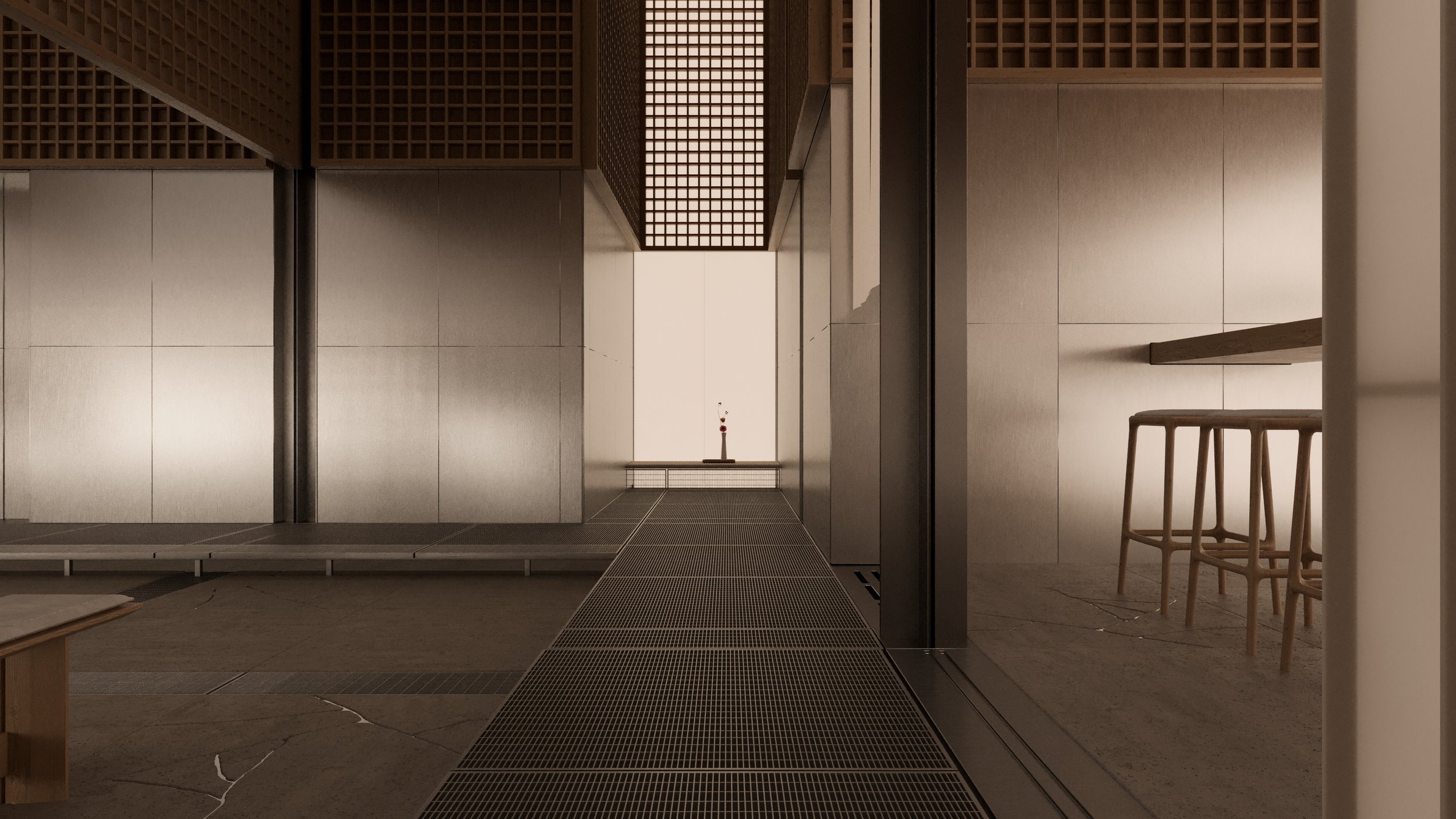
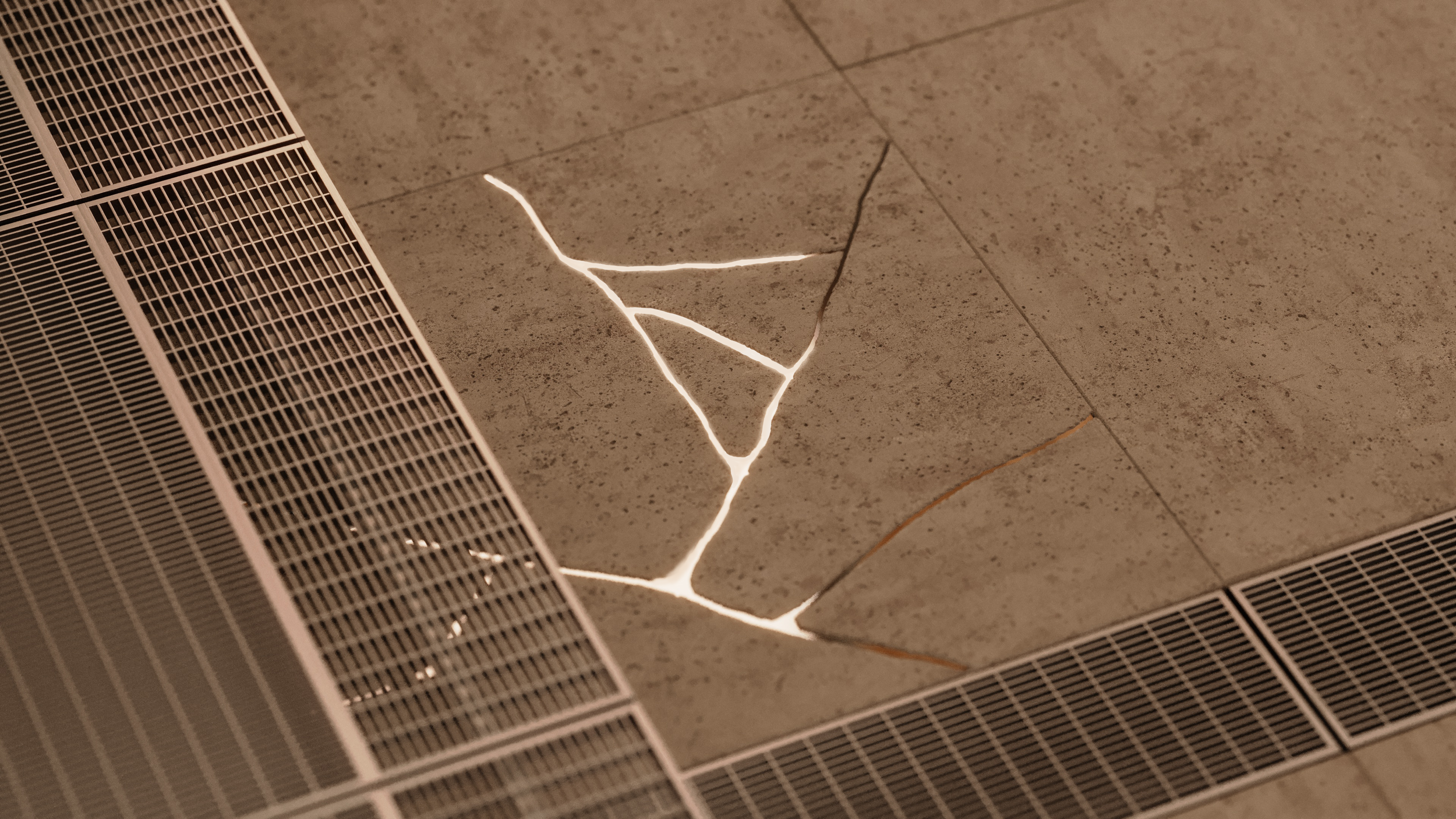
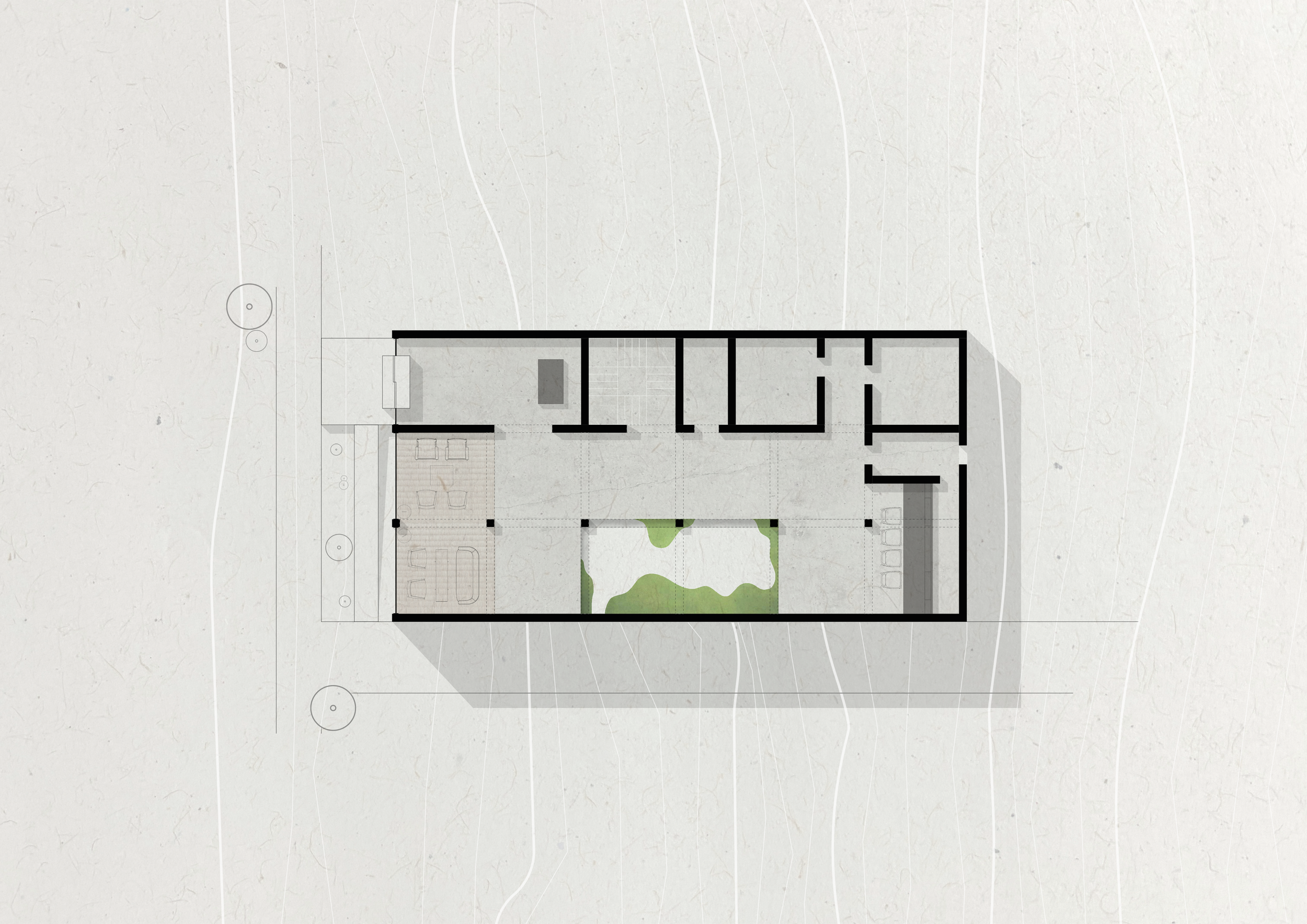
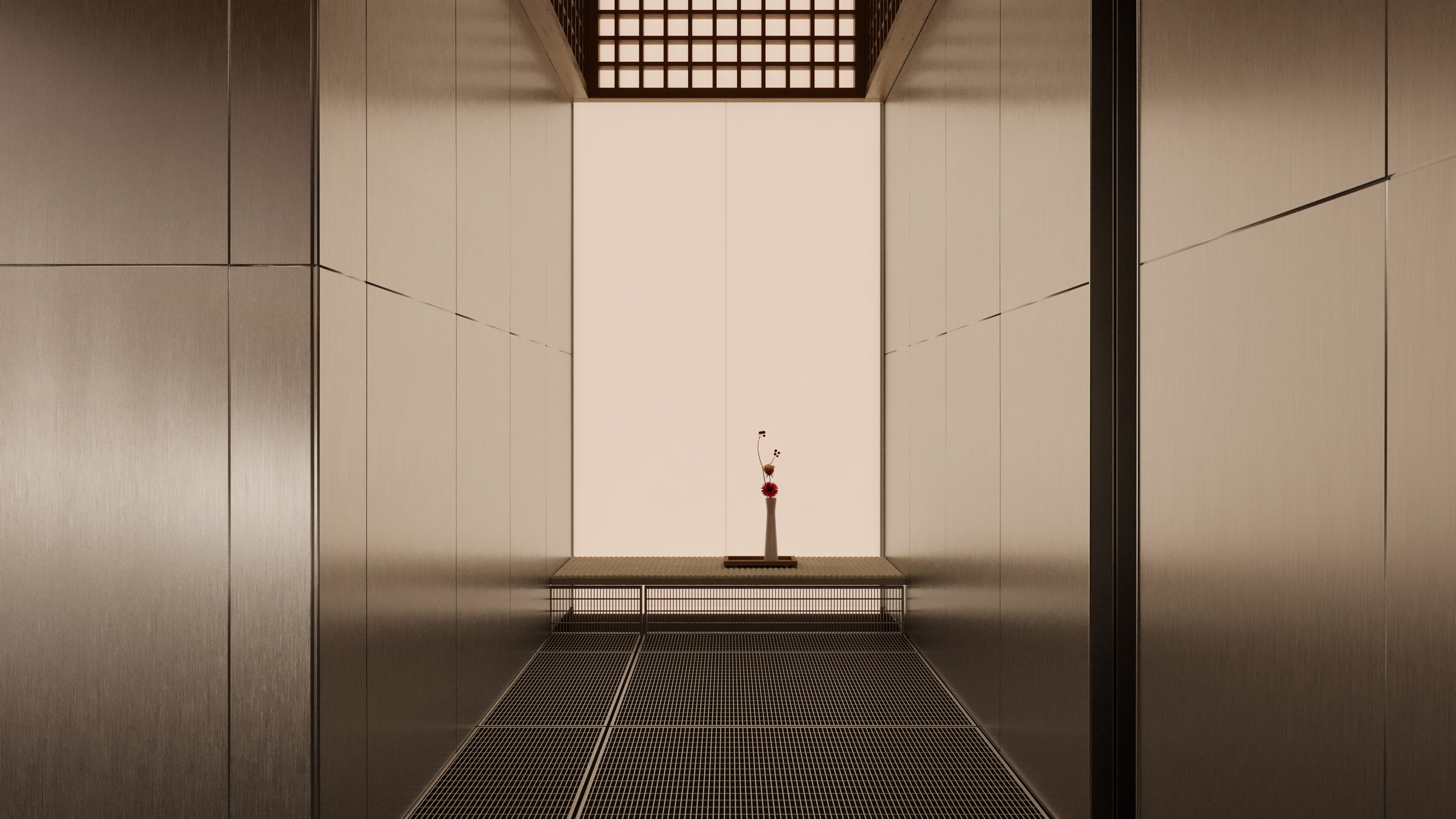
The entrance area of the jū-ban reflects the core of the hospitality concept: a subtle dialogue of materiality, proportion, and light. Warm metallic surfaces and natural wood create a minimalist, atmospheric space that welcomes guests with clarity and precision. The lattice ceiling and wall elements reinterpret traditional Japanese architecture and add depth to the reception zone. The spatial experience is defined by clean lines, a harmonious blend of aluminum and wood, and the subtle play of natural light. The seating area features chairs by Karimoku Case, which embody simplicity and craftsmanship, while the flooring pattern draws inspiration from the Kintsugi technique, celebrating imperfection and repair. The overall design combines contemporary elegance with references to Japanese tradition, offering visitors a space for quiet contemplation.
02 Bar
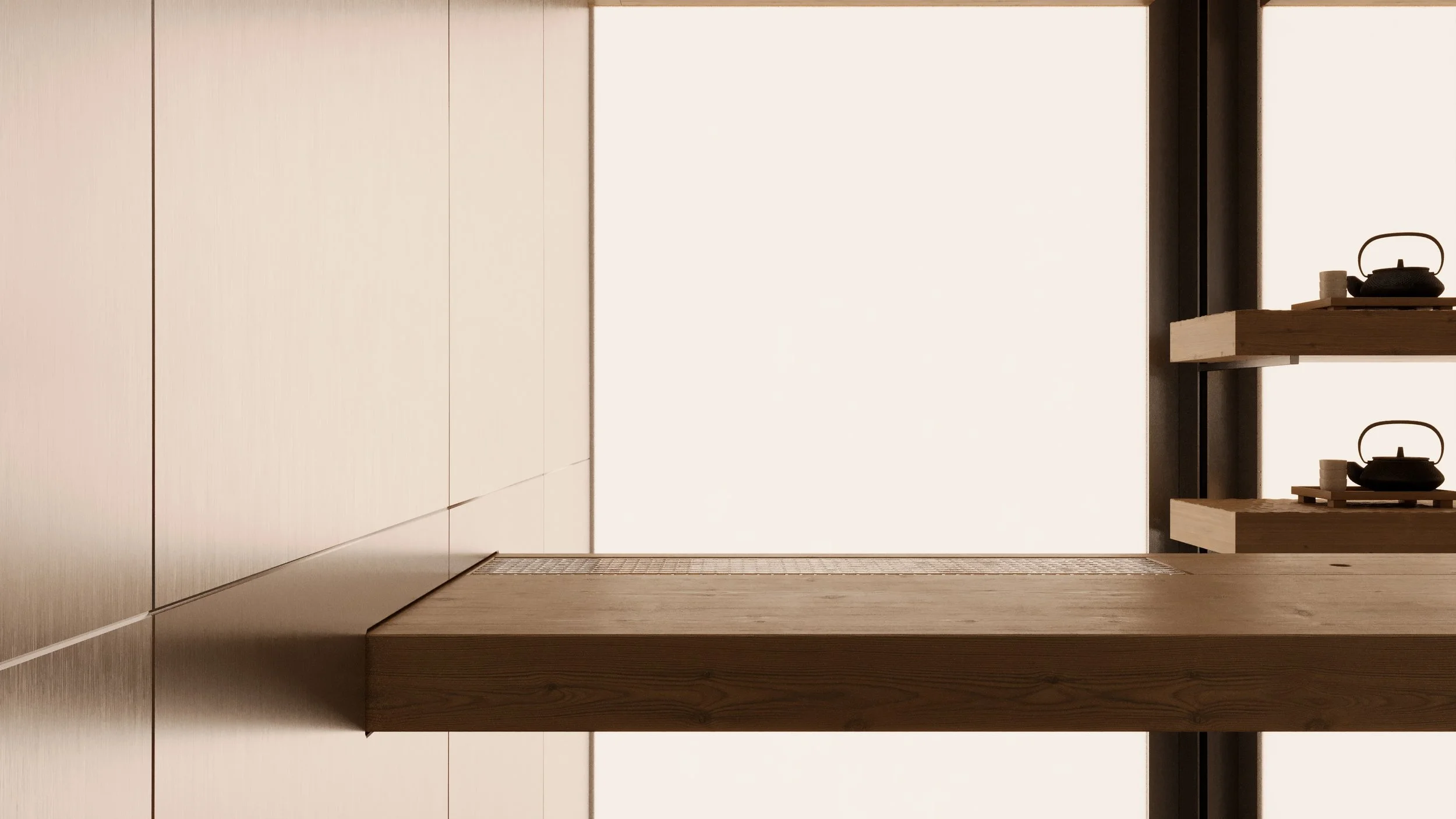
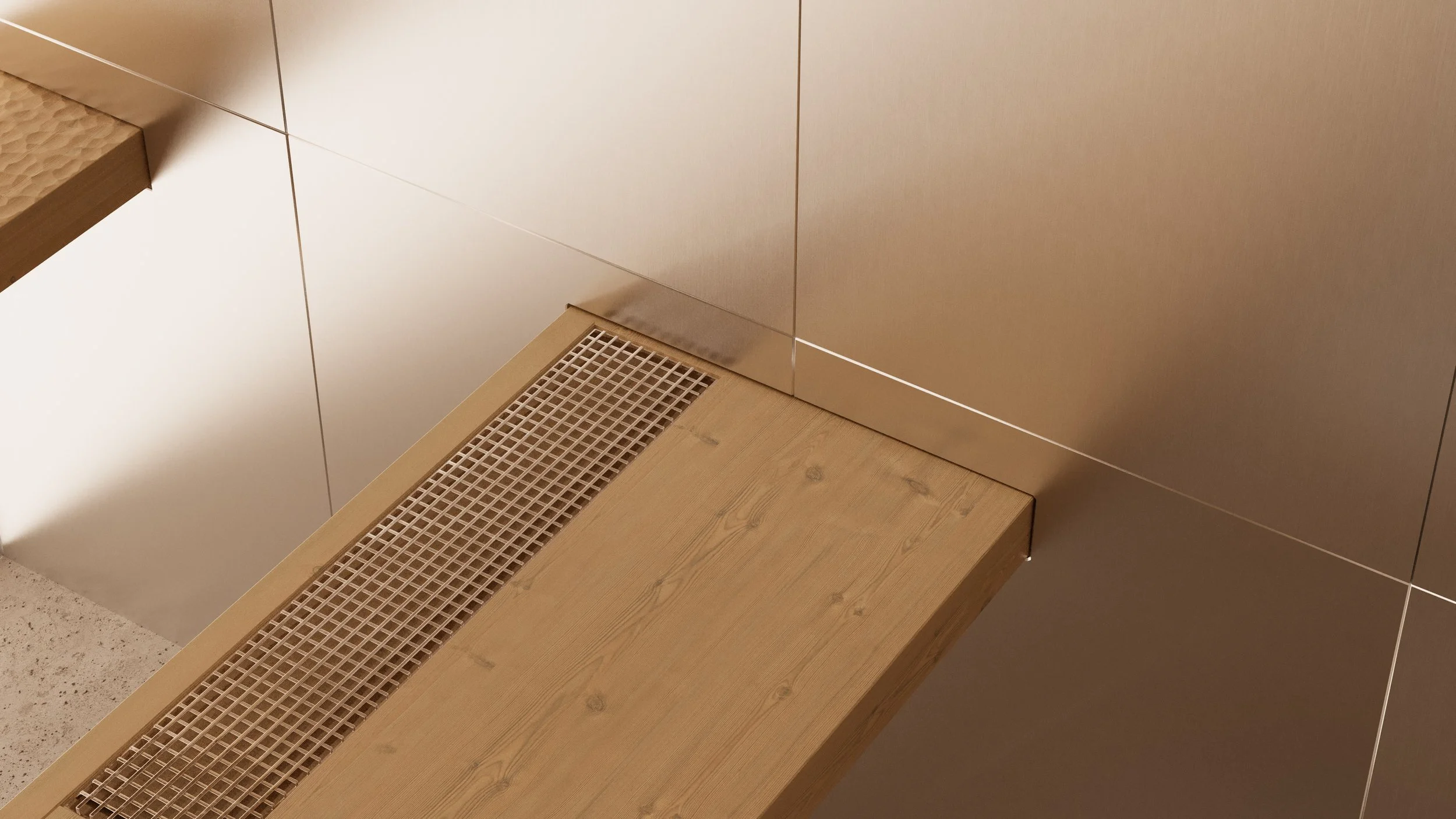
The bar area continues the minimalist and detailed design language of the entrance zone, drawing inspiration from traditional Japanese aesthetics. Natural wood and warm metallic surfaces create an inviting, calm atmosphere. The solid wooden bar defines the open space and encourages interaction between guests and the bar keeper. Above the bar, open shelving provides storage and display opportunities, while the grid ceiling filters light softly into the interior. The Kintsugi-inspired flooring design subtly connects the bar area to the entrance zone, celebrating imperfection as part of the aesthetic.
On the shelves, carefully curated tea sets and selected drinks reflect the connection to Japanese hospitality. In addition to alcoholic beverages, the bar offers high-quality teas and traditional non-alcoholic drinks. The bar’s material concept — with its solid wood, textured surfaces, and minimalist detailing — creates a balanced contrast between contemporary design and traditional craftsmanship.
03 Tsuboniwa
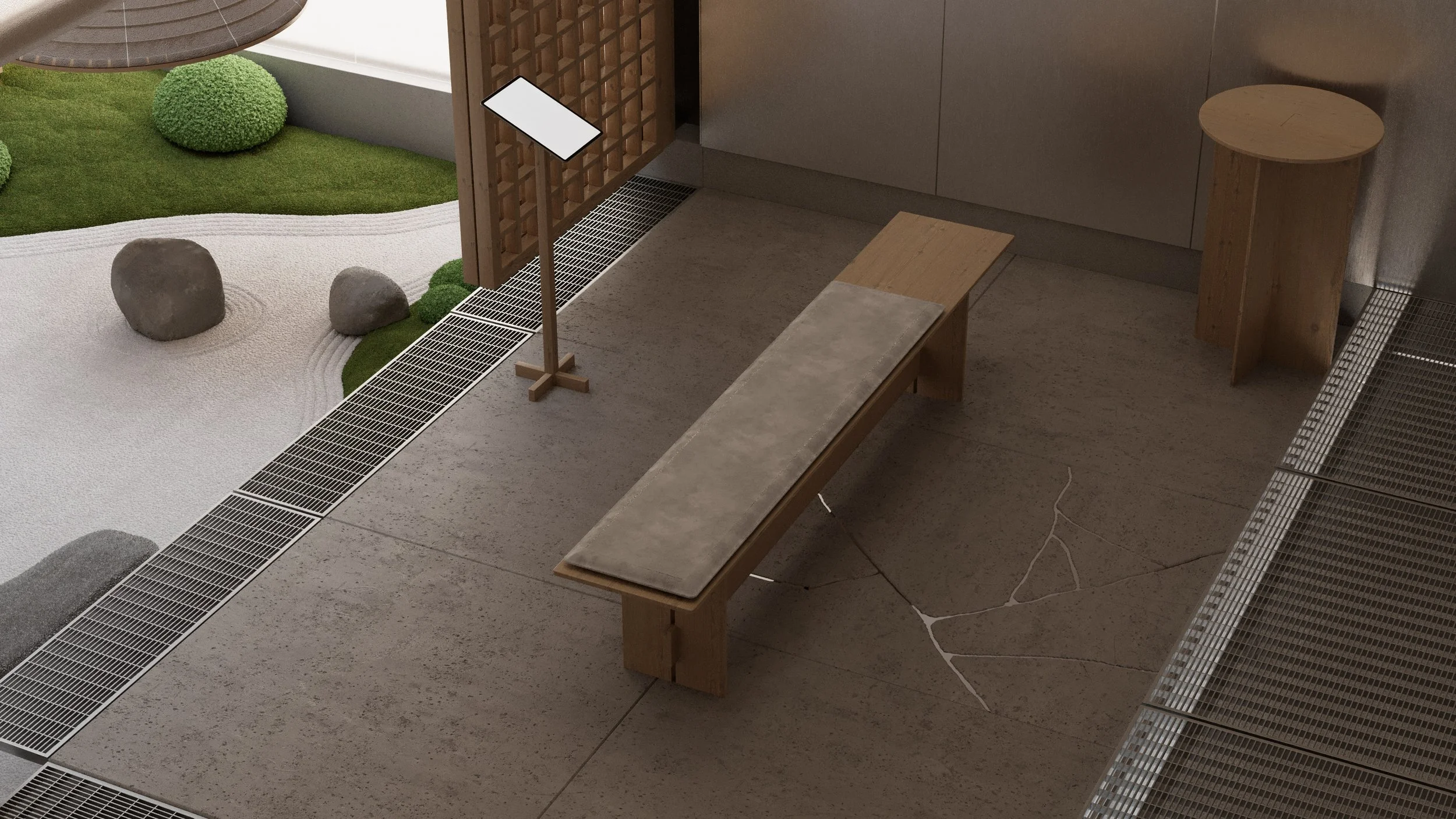
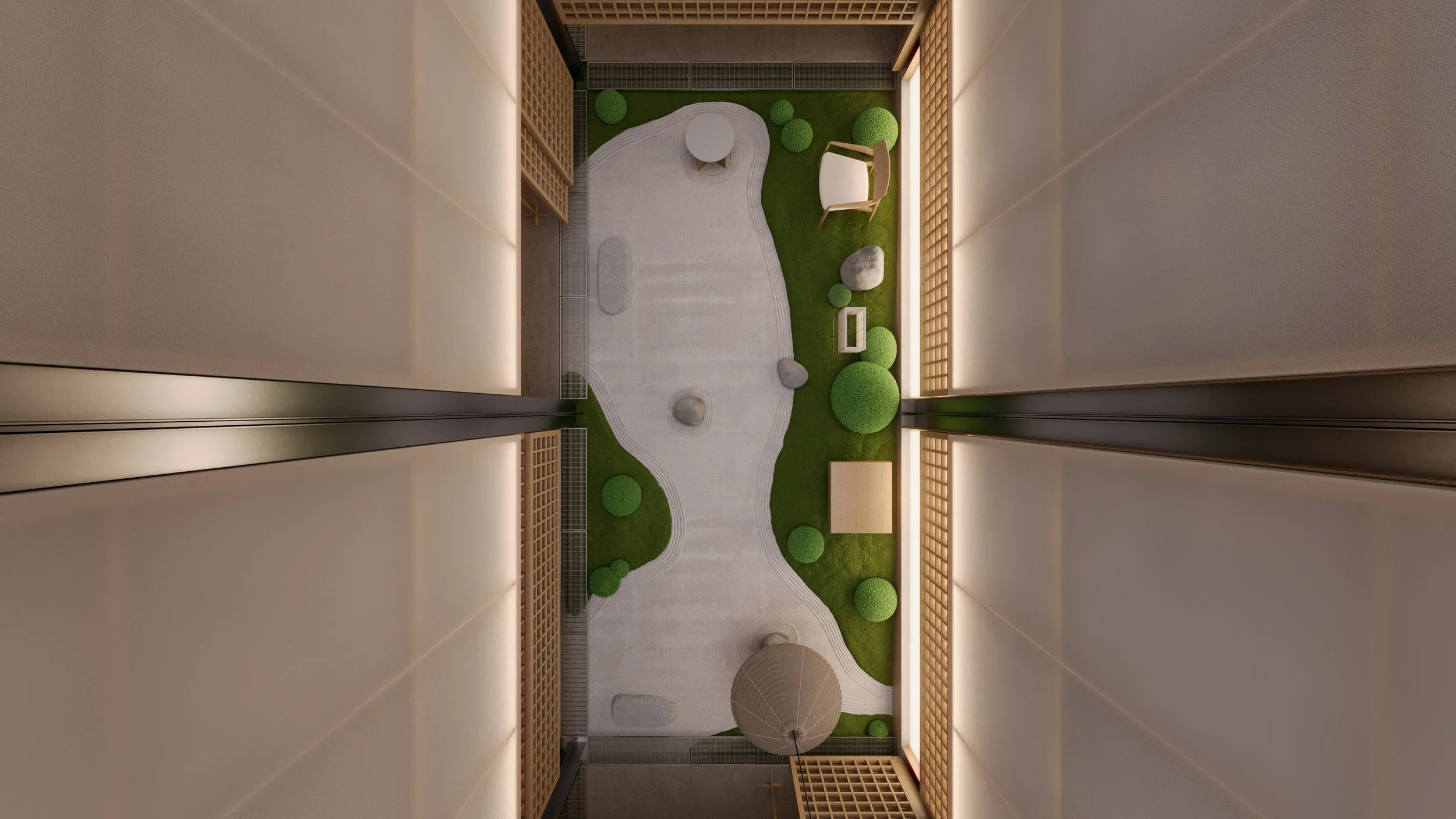
This space presents a modern interpretation of a Tsuboniwa, a small inner courtyard garden traditionally found in Japanese architecture. Framed by translucent shoji-style walls and a grid ceiling, the design creates a sense of height, lightness, and tranquility. The warm, diffused light interacts with natural materials, creating a balanced and contemplative atmosphere. This Tsuboniwa follows the principles of a Japanese dry landscape garden (karesansui), abstracted into a minimalist, architectural language.
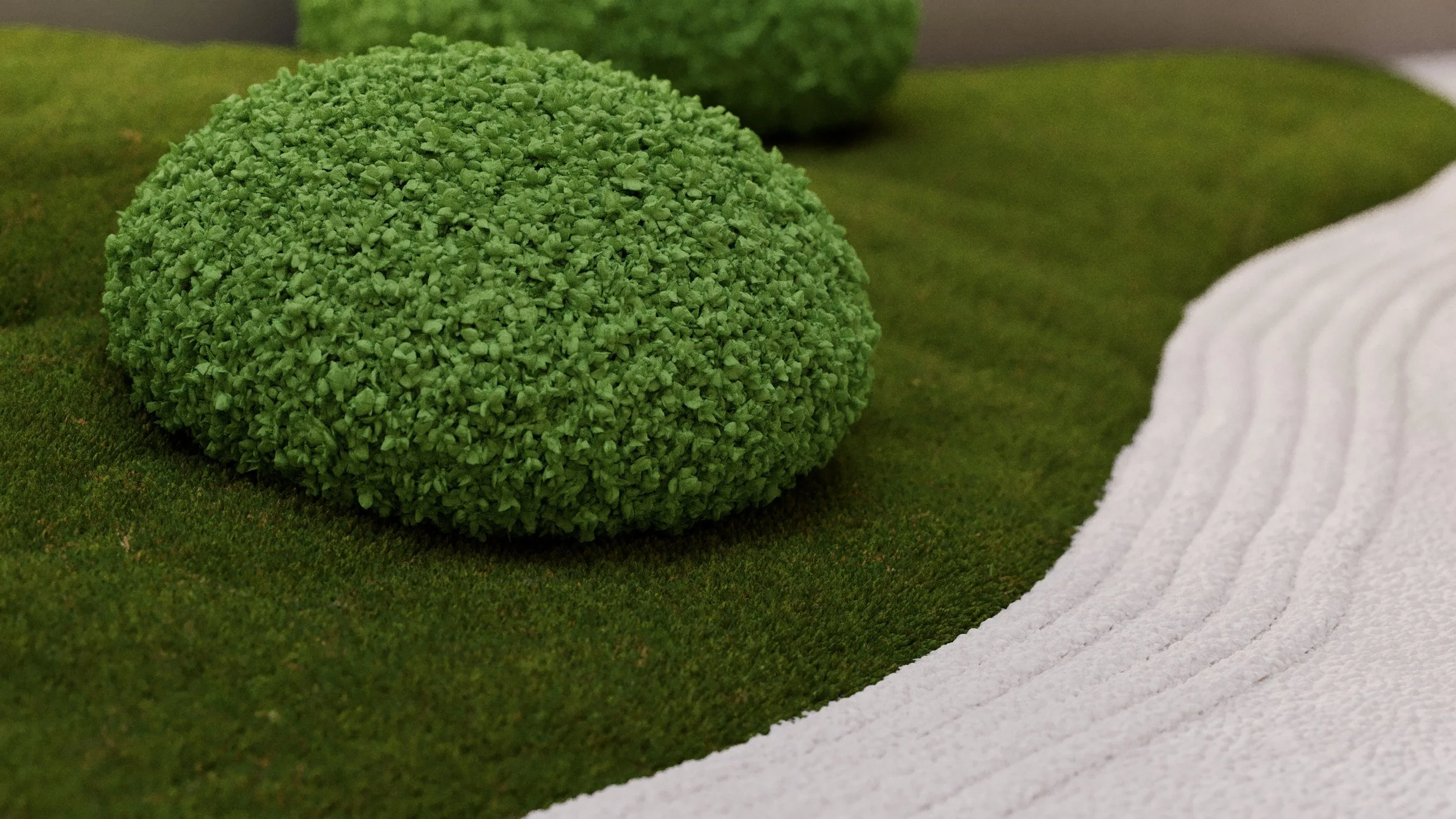
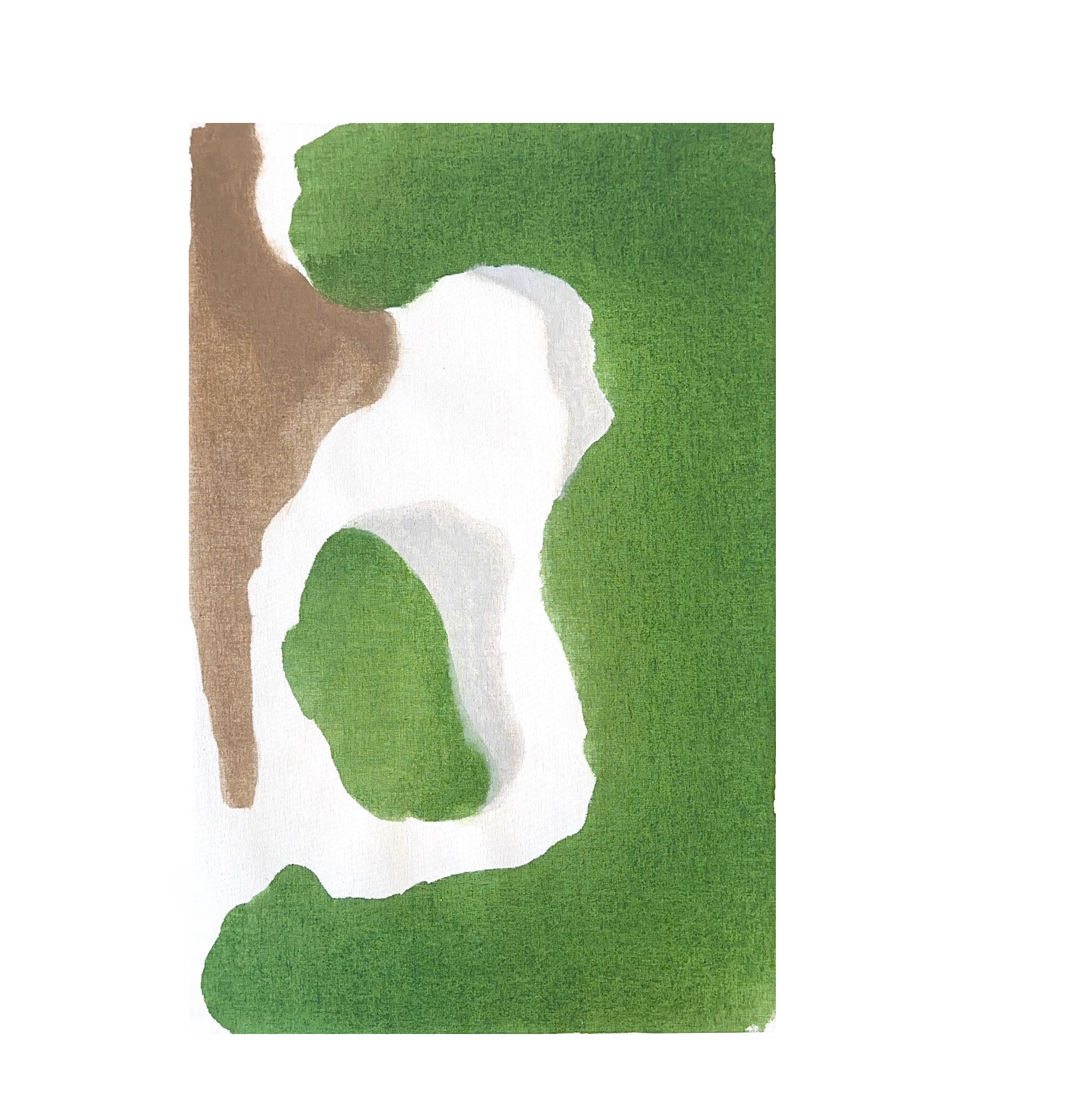
The most distinctive feature of the garden is its materiality. Inspired by the works of Alexandra Kehayoglou, the garden is made entirely of carpet fabric. Within the garden, the textile surface is designed to represent gravel, grass, moss, stones, and bushes, creating an actual living landscape. This landscape functions as an exhibition platform for the furniture by Karimoku Case.
Gallery
<- back to projects
explore the entire project